In early April 2024, a patient began experiencing abdominal pain without any obvious trigger. Initially, they sought treatment at a local emergency department, where they were given antispasmodics and intravenous fluids, leading to some relief. However, by late April, the abdominal pain returned, now accompanied by diarrhea and loose stools, but without any presence of blood or black stools. Concerned about their symptoms, the patient underwent a colonoscopy on April 24, which revealed multiple ulcers in the colon along with cobblestone-like changes, raising suspicion for Crohn's disease. The biopsy results indicated chronic inflammation of the colonic mucosa with lymphoid tissue hyperplasia and focal granuloma formation. Seeking further evaluation and management, the patient was admitted to the hospital. Since the onset of symptoms, they maintained a stable mental state, normal appetite, and regular bowel and urinary habits, with no significant changes in weight or sleep patterns. Upon admission, a follow-up colonoscopy showed significant mucosal irregularities in the ascending colon, causing a narrowing of the lumen and making it difficult to identify the underlying structures. The mucosa exhibited features resembling paving stones, with multiple irregular ulcers and erosions, along with signs of congestion and edema. The bowel preparation was suboptimal, revealing substantial fecal residue. Despite the challenges, biopsies were taken from the ascending colon, which further supported the suspicion of Crohn's disease, showing deformed crypt structures, reduced gland numbers, and ulcer formation, with one area displaying epithelial granuloma.
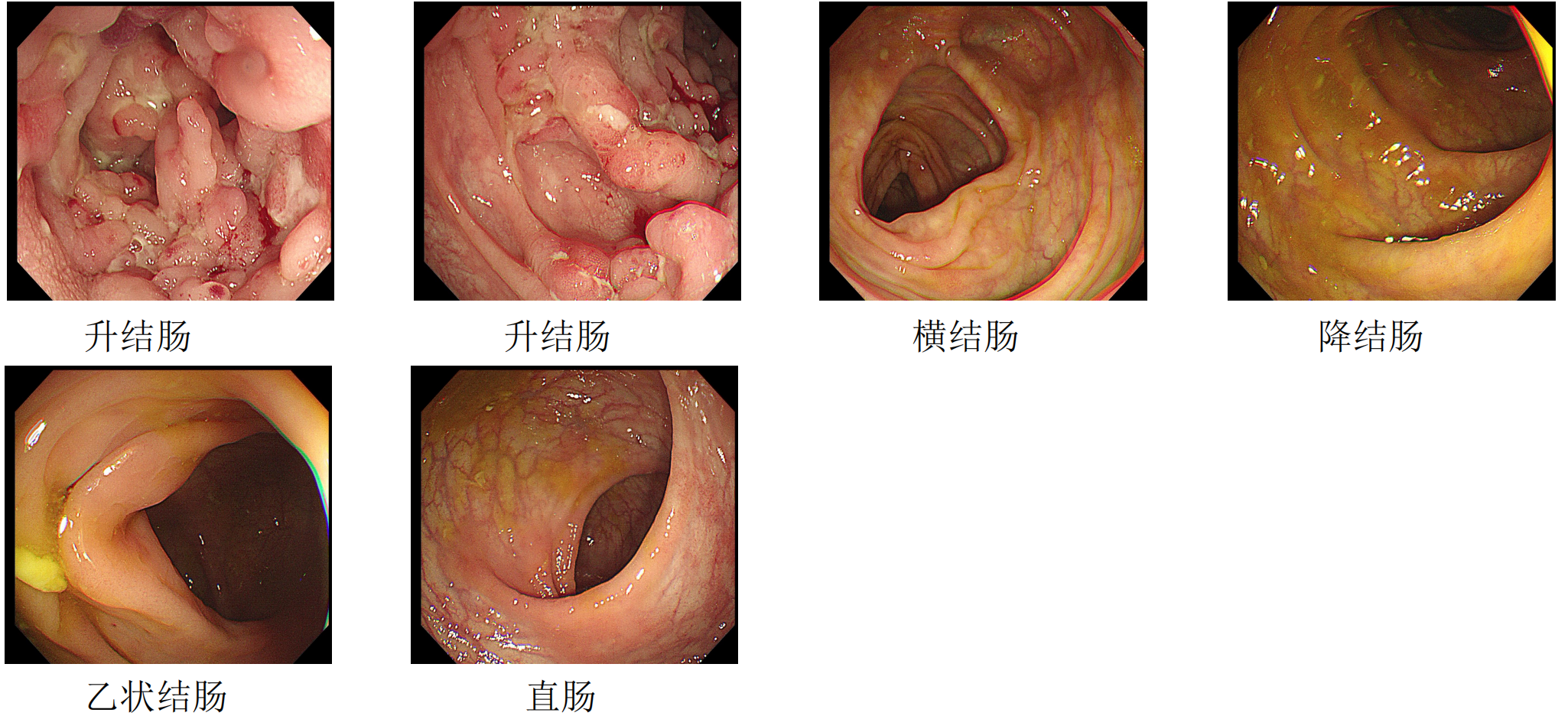
Imaging studies, including a CT enterography (CTE) and enhanced MRI of the perianal region, confirmed continuous disease involvement from the terminal ileum to the ascending colon, characterized by thickened bowel walls with significant enhancement and multiple ulcers. The MRI indicated the presence of granulomatous inflammation in the anal canal.
After thorough evaluation, it was determined that the patient was in an active phase of Crohn's disease. They were initiated on enteral nutrition therapy and started on biologic treatment to manage their condition. At present, the patient reports feeling well and is optimistic about their treatment journey ahead.