Groundbreaking CAR-T Therapy at Renji Hospital Offers New Hope for Refractory Lupus Patient
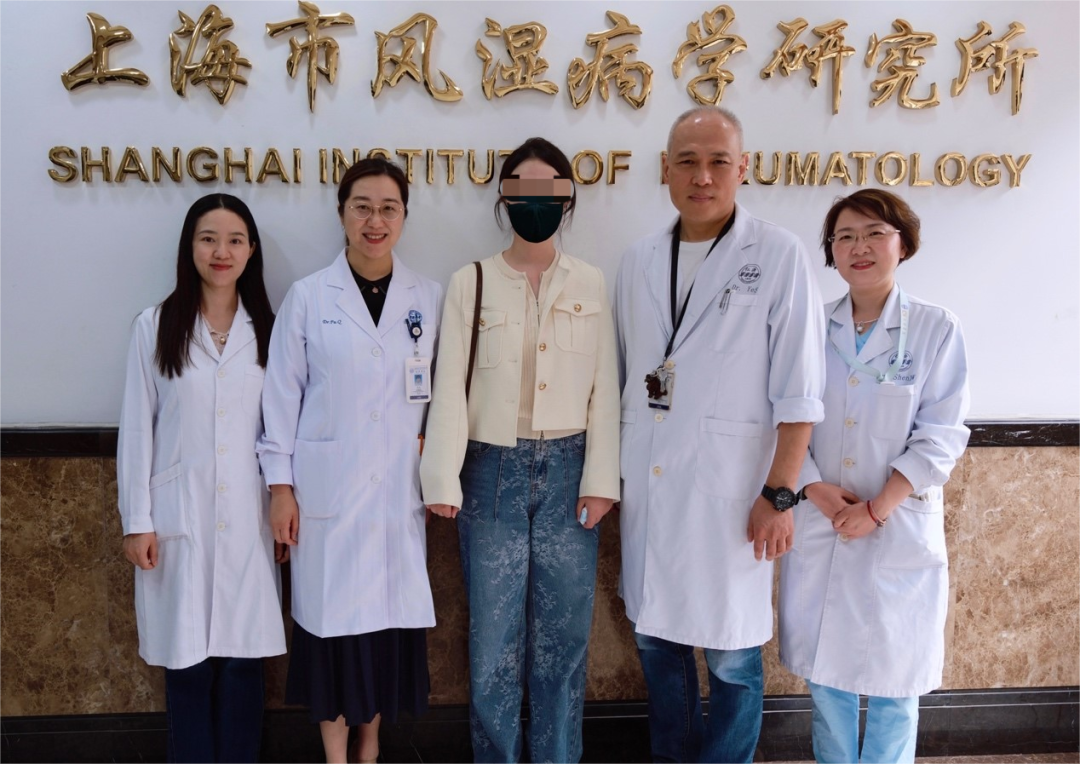
An innovative approach by Renji Hospital, Shanghai Jiao Tong University School of Medicine, has broken through therapeutic barriers for systemic lupus erythematosus (SLE). Xiao Yu (pseudonym), a 27-year-old woman with years of treatment-resistant lupus, achieved drug-free clinical remission after receiving CAR-T cell therapy under the guidance of the hospital’s rheumatology team. At her 104-week follow-up, she remains in sustained remission—marking a transformative milestone in her battle against SLE.
Six Years of Uncontrolled Disease
Xiao Yu endured refractory SLE for six years, with conventional therapies failing to control multiorgan damage. Her aberrant immune system attacked healthy cells, causing disfiguring malar rash and compromising renal, hematologic, and neurologic function. SLE affects 30-70 per 100,000 people in China, predominantly women (>80%) with a mean onset age of 30.7 years.
"While SLE etiology remains incompletely understood, genetic, environmental, and hormonal factors contribute to its development," explained Professor Ye Shuang, Director of Rheumatology at Renji Hospital. "Traditional treatments show limited efficacy in many patients."
Precision Elimination of Pathogenic Cells
CAR-T therapy emerged as a promising solution by leveraging its capacity for deep B-cell depletion. In 2023, Professor Ye Shuang and Dr. Fu Qiong’s team initiated an early clinical trial using GC012F—an investigational autologous CAR-T product dual-targeting CD19 and BCMA—to eliminate pathogenic B cells and plasma cells, thereby blocking autoantibody production.
As the first trial participant, Xiao Yu received a single infusion of GC012F. Her symptoms improved rapidly: urinary protein normalized within two months, and all aberrant autoantibodies cleared by six months. At the 104-week assessment, she maintained drug-free remission—the first SLE patient at Renji to achieve durable remission beyond two years with this therapy. She has since resumed normal life and launched a business.
Mechanism and Clinical Progress
"CAR-T reprograms patients’ T cells into precision-guided therapeutics that eradicate hyperactive B cells," Professor Ye emphasized. "This fundamentally reduces autoantibody levels and enables prolonged remission."
The trial has now enrolled 10 refractory SLE patients, all demonstrating significant clinical benefits with ≥1 year of follow-up. As the lead institution of Shanghai Clinical Research Center for Rheumatic Diseases, Renji Hospital is expanding investigations into CAR-T, CAR-NK, and other cellular therapies for SLE, idiopathic inflammatory myopathies, systemic sclerosis, and related autoimmune conditions through ongoing Phase I/II trials.