"Bed 3, Resuscitation Room: Systemic Lupus Patient with Fever and Respiratory Failure – Request Consult." This urgent message flashed in the emergency consult group of Renji Hospital's Rheumatology Department.
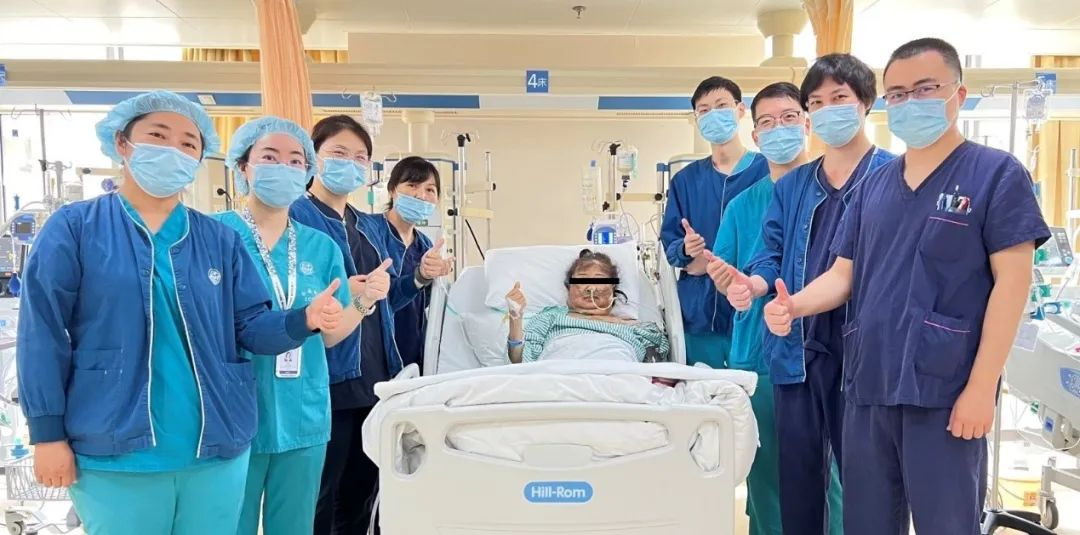
The rheumatology consult physician rushed to the South Campus Emergency Resuscitation Room, where a 67-year-old woman—on long-term glucocorticoids and immunosuppressants for systemic lupus erythematosus (SLE)—presented with sudden high fever and dyspnea. As a critical rheumatology emergency, the hospital’s Rheumatology-Emergency Green Channel activated immediately. She was transferred to China’s first Rheumatology Critical Care Unit for multisystem life support: V-V ECMO (veno-venous extracorporeal membrane oxygenation), mechanical ventilation, and CRRT (continuous renal replacement therapy). After eight days of intensive care, she stabilized.
The Lethal Threat: Severe Pulmonary Infection
Upon arrival, the consultant noted ominous vital signs and declared, "Severe pulmonary infection"—a deadly risk for immunosuppressed rheumatology patients. Despite maximal interventions (respiratory support, broad-spectrum antibiotics, immunosuppression adjustment), the patient developed acute heart and kidney failure. Even with 100% FiO₂ via endotracheal intubation, her SpO₂ remained <80%, and imaging confirmed diffuse bilateral infiltrates.
"ECMO is our only option," stated Dr. Wang Xiaodong (Associate Chief Rheumatologist), triggering the SOS Multidisciplinary Protocol. Cardiovascular surgeons Drs. Wang Weijun and Liu Jidong arrived urgently, while ER physician Dr. Xie Cuiying canceled her flight. Within one hour, the combined rheumatology, emergency, and ECMO teams successfully initiated V-V ECMO, stabilizing her oxygenation and vital signs.
Eight Days of Multidisciplinary Battle
Teams worked in shifts:
● CRRT for renal support
● Continuous monitoring of fluid balance, cardiac output, blood gas, and coagulation
● Dynamic treatment adjustments
After eight days, ECMO, ventilation, and CRRT were successfully discontinued. The patient transitioned to the general rheumatology ward for recovery.
Building a Life-Saving System for Rheumatic Emergencies
Critical care is the last defense for rheumatology patients with multiorgan failure. In SLE alone, 1-30% develop life-threatening complications due to disease activity or immunosuppression, carrying high ICU mortality.
Renji Hospital’s South Campus pioneered the Rheumatology-Emergency Green Channel for rapid transfer and immediate specialist intervention. In 2023, under Professor Ye Shuang’s leadership, China’s first dedicated Rheumatology Critical Care Unit launched—integrating advanced organ support with cutting-edge immunomodulatory therapies.
Since its inception, this system has saved over 300 critically ill patients, including four requiring ECMO. Treated conditions include:
● Lupus-associated thrombotic microangiopathy
● Neuropsychiatric lupus
● Diffuse alveolar hemorrhage
● Rapidly progressive interstitial lung disease
● Catastrophic antiphospholipid syndrome (CAPS)
● Macrophage activation syndrome
● Systemic sclerosis renal crisis
Through rapid response, multidisciplinary collaboration, and advanced resuscitation, Renji Hospital is establishing a comprehensive "Rheumatology Critical Care Center" serving as a national hub for complex consultations and multidisciplinary management of severe rheumatic diseases.