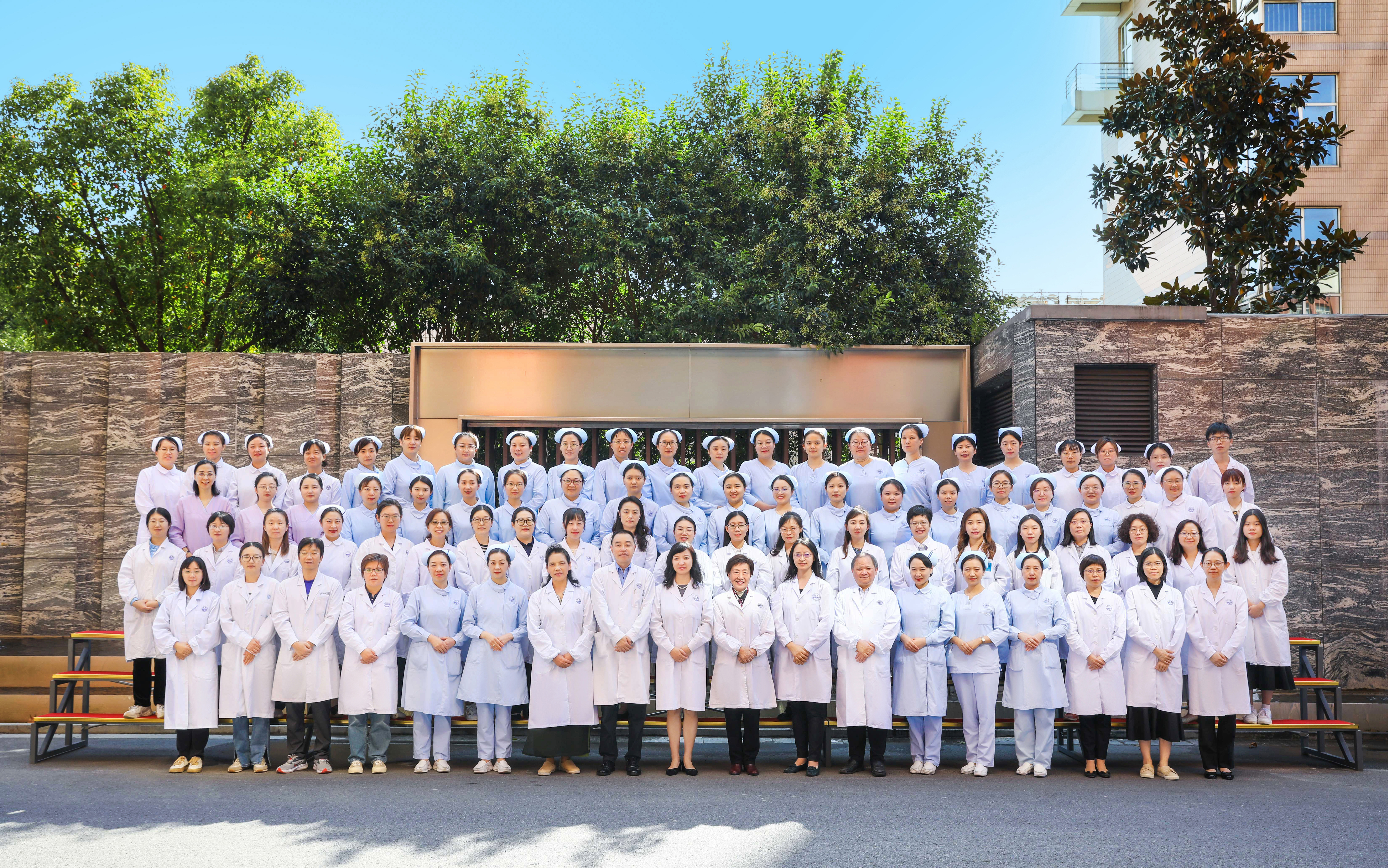
Department introduction
Established in 1992 by Professor Bao Yanxi, the Department of Geriatrics at Renji Hospital, with Professor Huang Mingxin as the founder, who served as its first department head. Former department heads include Professor Lu Huihua and Professor Fang Ningyuan, with Professor Hu Yaomin serving as the current department head. The department is situated across three campuses of Renji Hospital: East, West, and South, boasting a total of 159 beds, including 8 ICU beds. The department currently employs 34 physicians, 1 doctoral supervisor, and 3 master's supervisors. The nursing team comprises 128 members, supported by 4 medical technicians.
Department of Geriatrics of Renji Hospital holds the distinction of being Shanghai's pioneer in granting doctoral and master's degrees in geriatrics, as well as the inaugural batch of specialized training bases for geriatrics nationwide. Throughout its history, the department has garnered notable achievements in both research and clinical practice, particularly in addressing geriatric hypertension and complex conditions. Furthermore, in recent times, it has demonstrated pioneering advancements in various sub-specialties, including sarcopenia, geriatric endocrine metabolic diseases, osteoporosis, geriatric nutrition, and the diagnosis and treatment of geriatric comorbidities.
Since its inception, the department has prioritized integrating individual development with discipline construction. Talent cultivation adheres to the principle of attracting and nurturing individuals, emphasizing the strengthening of training for young talent to foster a team of medical staff characterized by high ideological consciousness and dedication. The department upholds the principles of patient-centeredness, quality orientation, internal standardization and quality assurance, external promotion of a civilized image, and the advancement of scientific research through education, fostering the development of sub-specialty teams within the discipline. Presently, alongside specialized outpatient clinics for geriatric diseases and hypertension, the department has expanded its services to include outpatient clinics for sarcopenia, comprehensive geriatric assessment, geriatric comorbidities, geriatric endocrinology, osteoporosis, geriatric cardiovascular diseases, and other specialties. This expansion aims to address the healthcare needs of an aging population while systematically developing sub-specialties within the discipline, thereby laying the groundwork for establishing a distinguished first-class geriatric medical center. The department diverges from the traditional single-disease diagnosis and treatment model in clinical practice, placing emphasis on multidisciplinary collaboration, patient-centered care, and the development of clinical services focused on managing comorbidities, polypharmacy, and holistic care. Aligned with urban development, the department has established a dedicated health management team tasked with providing medical security for various large-scale events and summits, actively contributing to community service.
In 2021, the department initiated the inaugural national training program for professionals in geriatric medicine, providing skilled personnel to key physicians in geriatric medicine and medical care institutions. Simultaneously, it actively advanced the development of disciplinary infrastructure, establishing a standardized training and residency teaching system with a focus on geriatrics. Regularly, the department conducts standardized training sessions covering emergency treatment, professional development, case discussions, and research studies, facilitating the rapid development of young talent. Specialized groups focusing on conditions such as sarcopenia, geriatric comorbidities, hypertension, severe ailments, osteoporosis, geriatric endocrinology, and clinical nutrition have been established under a system of PI responsibility and competitive selection, fostering collaboration with prestigious domestic and international research institutions. Presently, specialized databases for sarcopenia and geriatric comorbidities have been established, with plans for a dedicated big data pool in the future to facilitate regional medical resource sharing and data collaboration, thereby enhancing medical service capabilities and research productivity.
The department prioritizes ideological and team building through regular special studies, including medical humanities education and ethical conduct training. Actively participating in social welfare activities, the department adheres to the concept of unity between medical and nursing staff, aiming to enhance teamwork. In 2021, the department designed and produced its emblem to establish a cultural identity, thereby enhancing cohesion and centripetal force. Additionally, the department developed a WeChat public account platform to comprehensively develop both online and offline departmental cultural branding. The emblem symbolizes the commitment of every medical and nursing staff member in the Geriatrics Department of Renji Hospital to the principle of "patients first," dedicating themselves with love and care to accompany, assist, and heal patients. Leveraging the high-quality disciplinary platform of Renji Hospital, the department embraces the theme of "effort and hard work" for the future, with all medical and nursing staff working hand in hand, upholding their youthfulness and looking forward to a promising future.