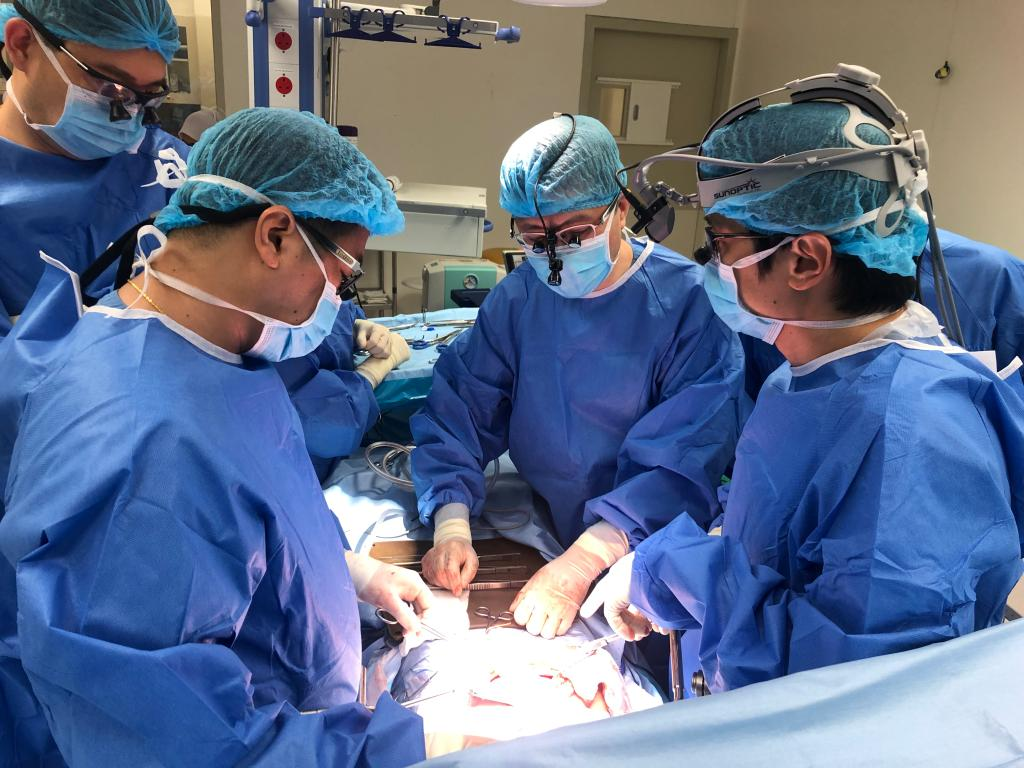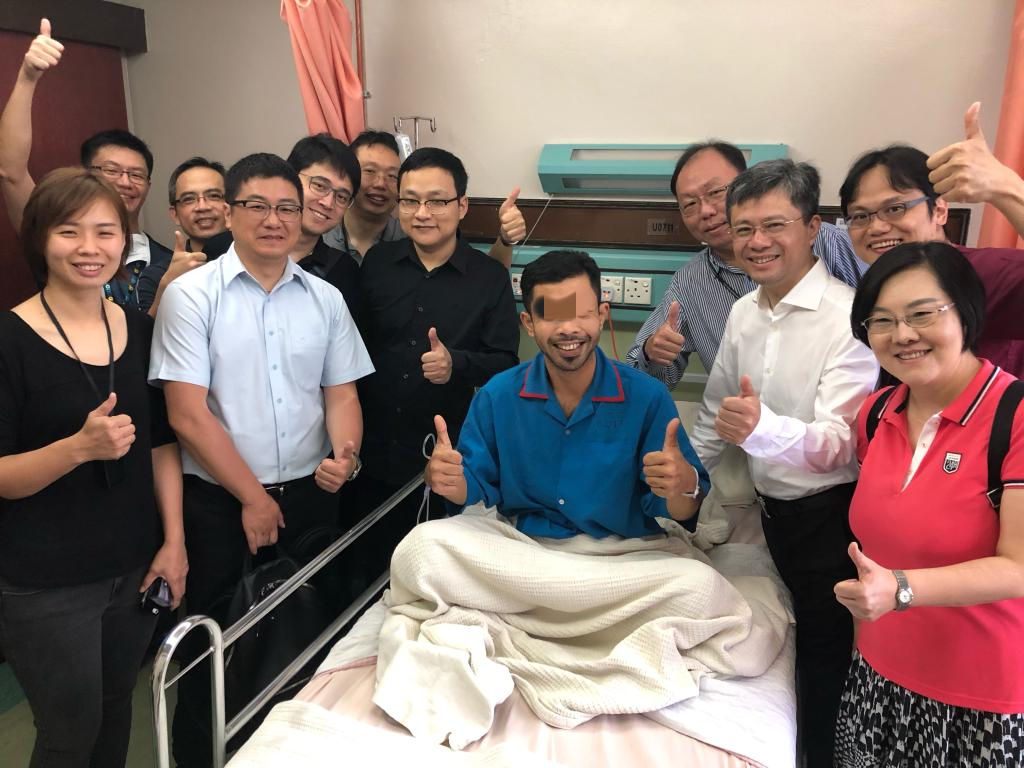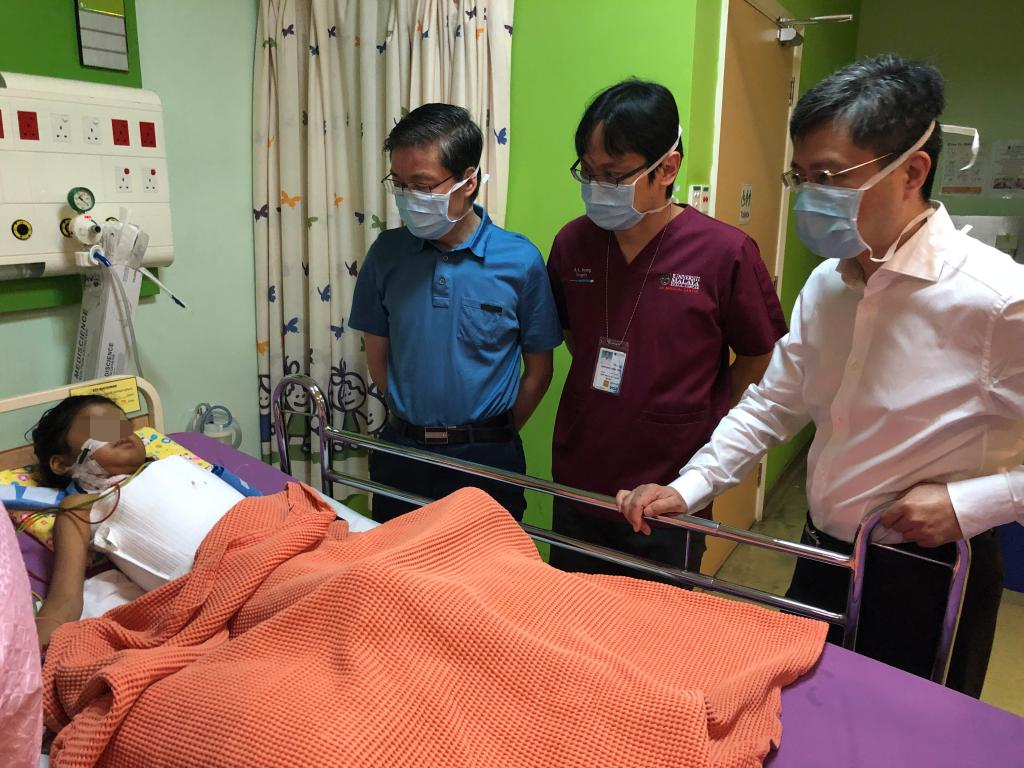
On August 6 and 7, the liver transplantation team led by Professor Xia Qiang of Renji Hospital affiliated to Shanghai Jiao Tong University School of Medicine, in collaboration with experts from the University of Malaya Medical Center (UMMC), Malaysia, successfully completed the first two pediatric living liver transplants in Malaysia. The patients and their respective donor parents recovered well. Professor Kemila, Vice President of the University of Malaya, emphasized that when Malaysia masters the technology of pediatric living liver transplantation, the total cost of treatment and surgery is expected to drop by more than 50% compared with the original overseas medical treatment. This is an important milestone in the cooperation between China and Malaysia in the medical field.
It is reported that the incidence of congenital biliary atresia in children in Southeast Asian countries is about one in ten thousand. Due to the overall lack of pediatric living liver transplantation technology in these countries, only a very small number of children who spend huge sums of money to go to Europe and the United States for medical treatment, and the vast majority of children's families have no choice but give up treatment. Without effective treatment, children generally do not live beyond the age of 2.
The recipient of the first operation, Fika, is a ten-year-old girl who was diagnosed with biliary atresia after birth. Although the Kasai operation relieved her condition, the child's condition worsened in May this year and gradually showed signs of liver failure. Because the sister of the patient with the same disease had just passed away, Fika became the only hope for his parents. His father decided to donate his liver for a living liver transplant to fight for the life of his only child. Unfortunately, during the preoperative preparation, the child's condition worsened again, and his general condition was very poor, and he could not leave the ICU for treatment.
The University of Malaya Hospital and the Renji Hospital communicated many times, and finally invited Xia Qiang's team to Malaysia to perform a living transplant for the child and teach the skills face to face. After the joint efforts of the medical teams of both sides, the doctors successfully cut 360 grams of the left half of the liver from the father and transplanted it to the child, and the operation was successfully completed.
On August 7, the Chinese and Malaysian medical teams cooperated again to complete the second local child living liver transplantation operation. The recipient and donor were a 1-year-old boy and his mother.